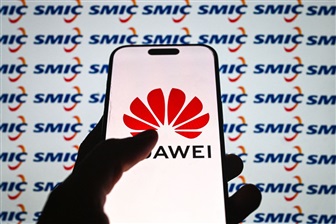
A teardown of Huawei's latest Mate 80 Pro Max smartphone has put China's semiconductor progress back under scrutiny, after analysis showed the HiSilicon Kirin 9030 processor was made on SMIC's third-generation 7nm-class N+3 process with a local metal pitch narrower than that of Intel's 18A chip used in Panther Lake.
SpaceX has agreed to acquire AI coding tool developer Cursor for US$60 billion, in a deal that underscores how competition in the AI industry is extending beyond foundation models into the application layer and developer ecosystems. The purchase gives SpaceX direct access to enterprise customers, developer communities, and high-value code data instead of rebuilding a product from scratch. Markets see it as a key addition to Elon Musk's AI strategy.
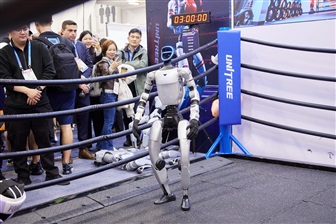
Unitree Robotics is heading toward a Shanghai listing with a pitch drawing attention well beyond China: humanoid robots can be built cheaply enough, and at enough scale, to begin taking on narrow labor tasks.
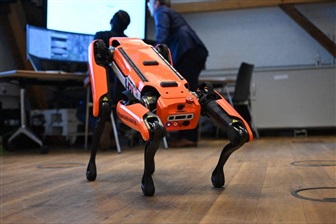
Samsung Electronics is reportedly reviewing the possibility of investing in Boston Dynamics, the US robotics company controlled by Hyundai Motor Group.
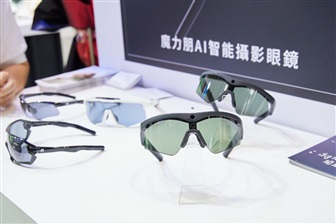
AI glasses are gaining momentum as Meta, Rokid, RayNeo, Xreal, Viture, HTC, and other vendors step up their efforts, with Google and Samsung Electronics expected to enter the market in the second half of 2026. The category is widely seen as a potential essential mobile device after the smartphone.
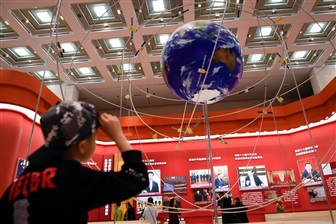
China has launched a probe into a Beidou high-precision smart monitoring project in Shandong, after reports of severe construction defects at the base sparked public concern over the quality of new infrastructure projects. The project, with a total investment of nearly CNY300 million (US$44.4 million), has drawn scrutiny after its base structures were described as "easy to tear apart by hand."
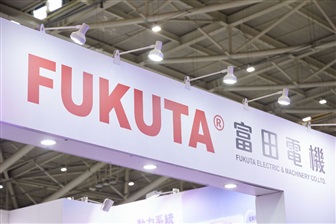
As the global electric vehicle (EV) market enters a correction phase, automakers are demanding more from both cost and efficiency. Fukuta has been steadily extending the design, integration, and manufacturing capabilities it built in automotive multi-in-one power systems into smaller power module applications.
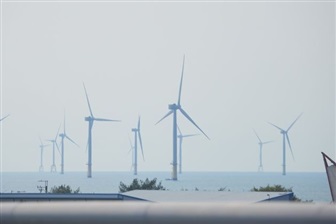
Taiwan has reached another milestone in its offshore wind power development, with the Ministry of Economic Affairs (MOEA) announcing that the country's offshore wind farms have recently completed installation of the 500th wind turbine, bringing total installed capacity to 4.8GW.
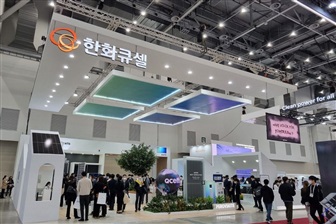
Hanwha Qcells is moving its next-generation solar technology from terrestrial markets to a lunar test platform, while also bringing a major US manufacturing site into production. The two developments underscore the company's push to link high-efficiency solar research with a larger American supply chain.
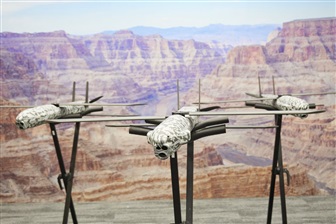
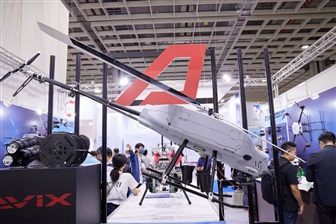
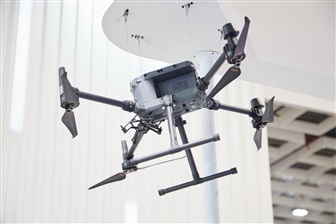
Taiwan's drone exports continue to gain momentum, driving local manufacturers to expand overseas more aggressively. But as they enter foreign markets, Taiwan companies face long local certification timelines and other regulatory hurdles, pushing their overseas strategies away from simple exports and toward localized production and joint ventures.
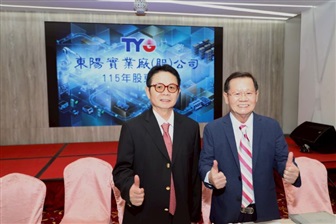
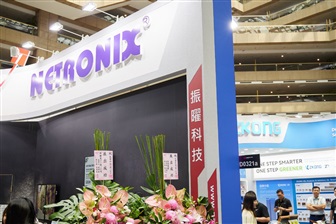
Netronix said memory shortages are hitting the color e-book reader industry, but its long-built supply-chain management system and diversified production base have helped blunt the impact. The company stressed that it can still support customer demand as supply tightens, framing this as a competitive advantage.