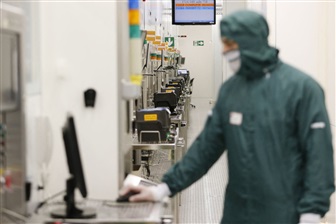
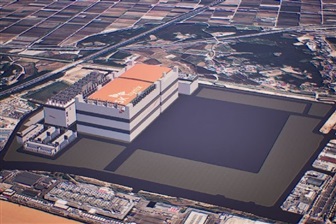
Samsung Electronics is said to be expanding its 8nm foundry customer base into Europe following earlier contract wins in the US and Japan.
The global memory industry is facing its most severe supply crunch in more than a decade. DRAM and NAND prices are rising at record speed, while high-bandwidth memory capacity is increasingly absorbed by artificial intelligence data centers.
Shihlin Electric is entering 2026 with strong operating momentum, supported by accelerated contract releases under Taipower's grid resilience program and surging demand linked to AI semiconductor fab construction.
China's leading large model developers are accelerating flagship releases, while domestic AI chipmakers are responding almost simultaneously, announcing Day-0 adaptation and optimization as soon as new models are introduced.
Chinese smartphone vendors continue to expand global shipments, supported by competitive pricing, sustained research investment, and overseas growth.
Cisco Systems forecast quarterly gross margins below market expectations, citing higher memory chip costs. The weaker margin outlook overshadowed stronger-than-expected results and sent shares down about 7% in extended trading.
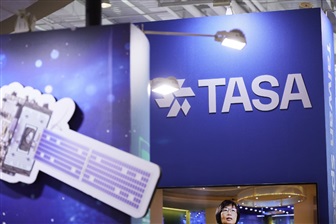
Global investment in the space industry climbed to US$12.4 billion in 2025, surpassing the previous peak of US$10.9 billion set in 2021, according to industry estimates. Seeking to capture a greater share of that growth, Taiwan's national space agency has announced the creation of the island's first space-focused startup accelerator, aimed at lowering barriers to entry and strengthening its position in the global supply chain.
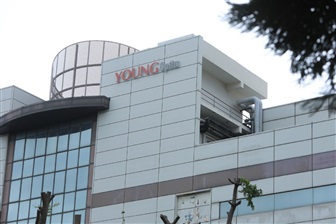
After a series of operational adjustments, Young Optics narrowed its losses sharply in 2025, benefiting from an improved product mix and higher capacity utilization. The Taiwanese optical components maker reported a full-year net loss of about NT$9 million (approx. US$284,600), a dramatic improvement from the year before.