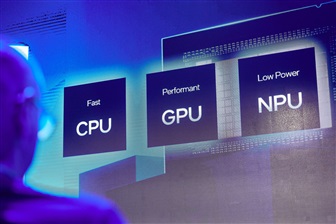
Asus and Intel on October 27 unveiled the new commercial laptop Asus ExpertBook A7 in Taiwan, as on-premises AI computing devices gain attention from enterprises and creators alongside traditional business PCs. Asus said products related to Nvidia RTX Spark, particularly models with 64GB and 128GB of memory, are being allocated due to strong global demand, with the next shipments expected to arrive progressively by the end of October.
AI startups' revenue figures are under scrutiny as founders and investors question whether companies clearly distinguish active business from contracts that have not yet generated sales. The debate concerns how growth is presented to backers, employees and customers, and whether apparently comparable figures measure the same thing.
Kentec, a subsidiary of Kenmec Group, is shifting beyond its traditional role as a contract manufacturer of components to become a systems integration provider (SIP) for complete AI data center (AIDC) infrastructure. At an investor conference on October 27, Kentec general manager Asa Kuo said the AI era is just beginning, and the company is transforming its revenue mix by leveraging its electronics manufacturing services (EMS) foundation and electromechanical integration capabilities to enter thermal management and AIDC infrastructure.
The Hurun Research Institute's 2026 Hurun China Rich List shows ByteDance founder Yiming Zhang reclaiming the title of China's richest person with CNY670 billion (US$99.7 billion), while DeepSeek founder Wenfeng Liang ranked seventh in his debut appearance with CNY280 billion, highlighting AI's growing impact on Chinese entrepreneurs' fortunes.
Microsoft said its medical artificial intelligence (AI) system achieved higher diagnostic accuracy than general physicians in tests involving complex cases, potentially lowering diagnostic costs. Its Microsoft AI Diagnostic Orchestrator (MAI-DxO) simulates the work of a medical team by assigning multiple AI agents to reason collaboratively, asking about medical history step by step, selecting examinations, analyzing results, and refining the diagnosis instead of generating an answer from all symptoms at once.
US and Taiwanese PC makers are shifting some production from Southeast Asia back to China and partnering with additional Chinese contract manufacturers as surging memory and storage costs squeeze margins, reversing part of the industry's previous push to diversify supply chains away from China.
A US federal judge has issued a preliminary injunction ordering the federal government not to deny Defense Department contracts to companies simply because they share lobbying firms with Alibaba Group Holding.
AMD is backing one of its largest AI customers with capital and chips. Alongside an update on its hardware work with Meta, the chipmaker said on October 27 that it will invest US$1 billion in Meta's equity offering, joining Nvidia in buying into the social media company's fundraising for AI infrastructure. Critics describe this pattern as circular financing.
Fujifilm will invest JPY10 billion (US$63.3 million) to increase its magnetic tape production capacity 5x by fiscal 2028, in response to rising demand for long-term data storage as artificial intelligence expands global data generation.
Google's tensor processing unit (TPU) business has gained one confirmed and one reported major customer within a week, adding pressure on Nvidia, whose graphics processors still dominate AI computing even as its biggest buyers look for alternatives.
Corning said on October 27 that it is already running ahead of its Springboard target of a US$20 billion annualized sales run rate by the end of 2026, one quarter after upgrading the plan. Third-quarter sales of US$5.1 billion put the run rate at US$20.3 billion, and the fourth-quarter guidance midpoint of US$5.25 billion implies about US$21 billion.
More coverage