

Taiwan is turning to artificial intelligence, robotics and connected-care systems to manage one of the world's fastest demographic transitions, while seeking to turn the challenge into a new growth industry.
Taiwan and South Korea took just seven years to move from an aged society to a super-aged one, compared with 51 years for the UK, 36 years for Germany and 16 years for the US. The speed of that shift risks leaving Taiwan with too little time to expand long-term care, replenish its workforce and restructure the economy.
Taiwan bets on senior tech to tackle super-aged society
The Executive Yuan has responded with an 'age-tech industry action plan,' designed both to meet Taiwan's domestic care needs and foster a commercially viable senior-tech sector.
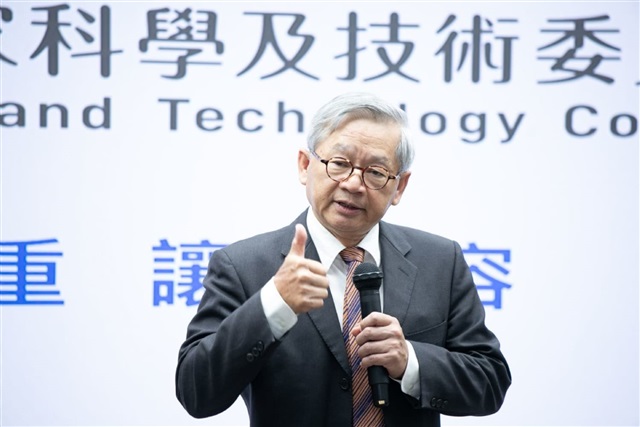
Wu Cheng-wen, Taiwan's minister without portfolio responsible for science and technology and head of the National Science and Technology Council, said addressing the demands of a super-aged society was one of the main reasons Taiwan was developing intelligent robots.
Senior-care and home-based medical technologies are already being tested in real-world settings, Wu said. Data from those trials can be used to identify demand and help technology companies define product specifications rather than develop products without a clear understanding of care providers' needs.
If Taiwan can bring its ageing-related technology programmes under a coordinated framework, the sector could emerge as another strategic pillar of the economy, Wu said.
Taiwan's health and welfare industry generated about NT$336.4 billion (US$11.4 billion) in revenue in 2025, posting a compound annual growth rate of 8% between 2023 and 2025, according to government figures. The expansion points to the commercial potential of technologies designed for older populations.
Wu said Taiwan's globally competitive semiconductor, information and communications technology and AI hardware industries provided a strong foundation for senior technology. Its national health insurance system and extensive medical data offer additional support for product development and deployment.
The use of AI, robotics and smart Internet of Things systems is also extending beyond clinical medicine into older people's homes, communities and everyday routines.
"The value of technology does not lie in how advanced it is, but in whether it can genuinely solve people's problems," Wu said.
He said the government's goal was not simply to develop new technologies. Cross-ministerial programmes should ensure that products respond to public needs, support frontline care workers and help older people continue living independently, while creating sustained growth for Taiwan's senior-tech industry.
Government-backed programmes have so far recorded more than 550,000 service visits across 236 medical and care institutions, 404 community locations and 109 cultural health stations, according to the council. The projects are intended to establish service models that can be replicated and expanded, while helping companies develop products suited to an ageing society.
Taiwan has also established more than 200 locations offering a range of digital learning services for older people. Local support is available in 41 townships, cities and districts, helping older residents improve their digital skills through technology training, health promotion and social participation.
The aim is to make digital services a more routine part of older people's daily lives rather than treating technology as a standalone intervention.
In residential long-term care centres, AI-powered care platforms have been introduced to consolidate patient information and connect AIoT devices. The systems simplify care records and administrative tasks, cutting the time spent completing daily care documentation by 7.5 hours and achieving a satisfaction rate of 92%.
Smart operations platforms also integrate data from multiple IoT devices, allowing staff to monitor residents' conditions in real time and reduce incidents such as falls or residents wandering away from facilities.
Day-care centres have reported similar productivity gains. After introducing smart-care products, some centres increased capacity from 30 to 90 people without adding staff. The workload associated with routine monitoring fell by between 20% and 30%, easing pressure on frontline workers while improving care quality and overall service capacity.
Article edited by Levi Li